







Search Results for: Sun-Dried Huakui G1
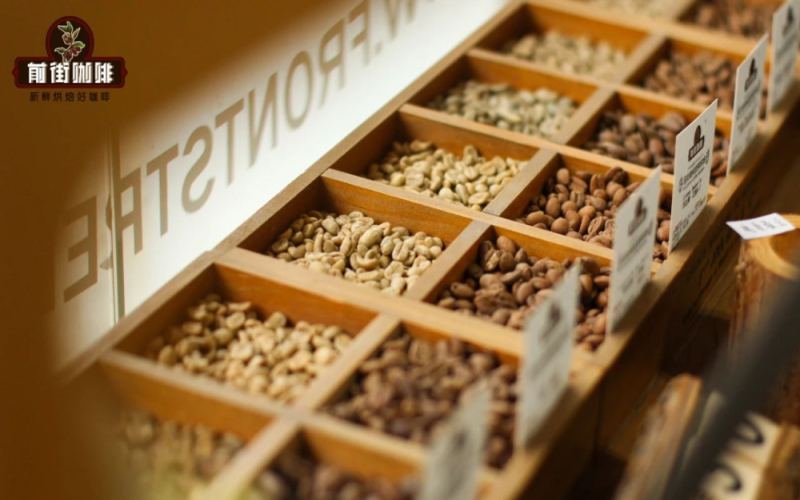
Does Ethiopian Natural Huakui G1 Represent the Highest Quality? Decoding the Meaning of the Hambella 7063 Batch Number
How exactly does Ethiopia's coffee grading system work? Is sun-dried Geisha G1 equivalent to the highest-quality coffee beans? What does the batch number Hambella 7063 represent? This article will systematically sort out Ethiopia's coffee grading standards, including the two major dimensions of cupping score and green bean defect rate, and deeply analyze the grading logic of the sun-dried processing method. At the same time, it will take you into Hambella, the Guji producing region and hometown of Geisha coffee, to learn about its geographical environment, farm operations, and the origin of its name. Finally, it includes Front Street Coffee's light-roast brewing parameters and three-stage extraction method for Geisha, helping you fully release the floral and fruity aromas of this bean. [more…]
Ethiopian Coffee Grading System Explained: The Meaning of Natural Geisha G1 Grade and an Analysis of the Hambella 7063 Lot Code
Ethiopia's coffee bean grading system combines dual standards of cupping quality and green bean defect rate. Among them, natural-process beans saw the G1 grade appear for the first time after the ECX reform, and Huakui is precisely a representative of this grade. This article systematically sorts out the logic of Ethiopian coffee grading, analyzes the meaning of the Hambella 7063 batch code, and takes an in-depth look at Huakui coffee's origin background, processing method, and the origin of its name. At the same time, it shares Front Street Coffee's light-roast approach for Huakui and V60 three-stage brewing parameters, helping coffee enthusiasts fully understand this champion bean's complete profile from producing region to cup. [more…]
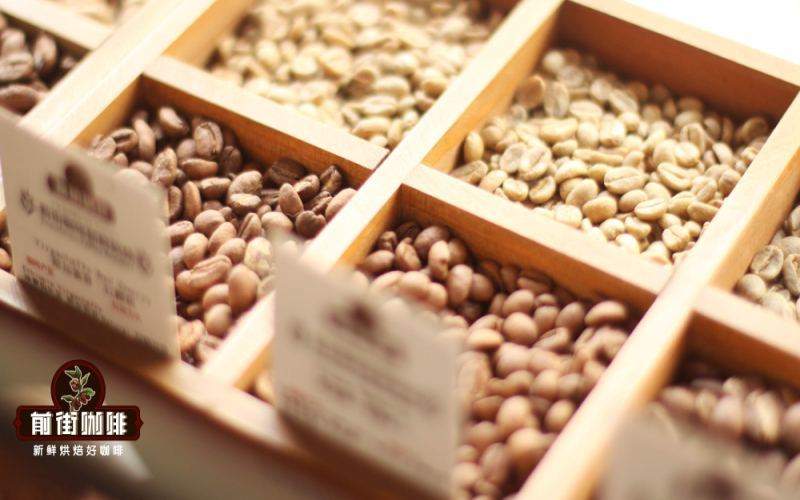
Ethiopia Guji Hambela G1 Natural Beans: New Crop Front Street Coffee Sun-dried Yirgacheffe Brewing and Flavor Analysis
Ethiopian G1 grade represents the highest quality standard for green coffee beans, and the Front Street Coffee Flower Queen produced in the Guji Hambela region is a particularly noteworthy star product among them. This article will guide you through the origin background and natural processing method of the new-season Front Street Coffee Flower Queen, analyze the flavor logic behind its light roasting strategy, and provide a detailed introduction to two brewing methods—pour-over and SOE espresso—along with their respective extraction parameters. Whether you prefer the layered complexity of pour-over or the rich expression of SOE, you will find practical reference information and flavor guidance here. [more…]
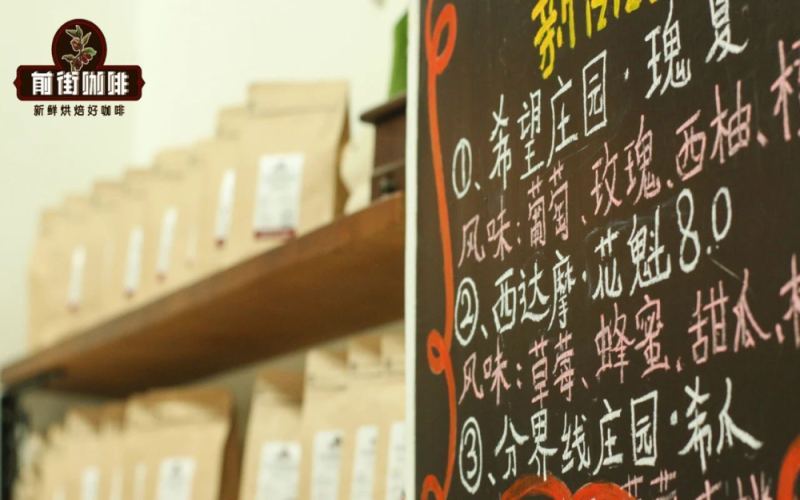
A Complete Guide to Roasting Ethiopian Huakui Coffee: How to Adjust Roast Profiles and Brewing Parameters
With its intense tropical fruit notes and high value for money, Hualei has become a daily staple for many coffee lovers. But do you know why this bean gets a new "version number" every year? From the sun-dried G1 of the Hambela region, to the meticulous management of the Buku Abel processing station, and the batch flavors that change year by year, the story of Hualei is far richer than you might imagine. In this article, Front Street will walk you through Hualei's origin background and flavor evolution, and share in detail the adjustment approach for the roasting curve along with pour-over brewing suggestions, to help you better present the unique charm of this Ethiopian star bean. [more…]
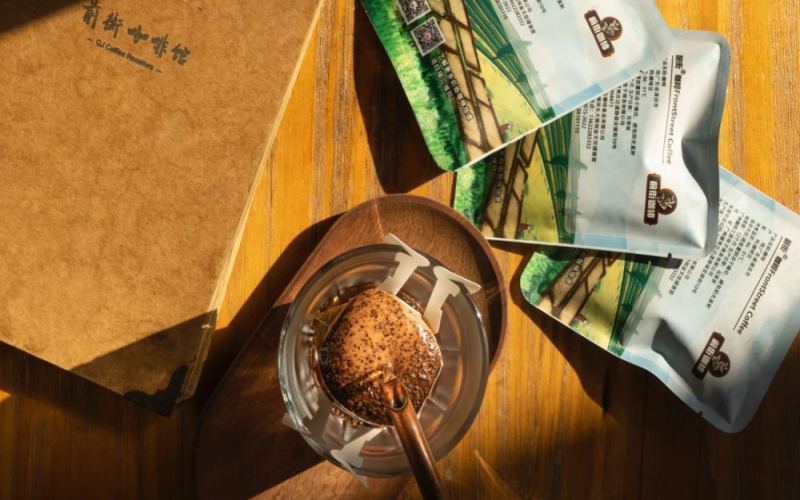
Is the sun-dried G1 Huakui drip bag black coffee worth buying? A practical analysis from bean selection approach to brewing details
Friends who have just been introduced to coffee often ask: Will drinking drip coffee bags every day have any effect on my health? As a beginner, how should I choose black coffee bean drip coffee bags? This article starts with the direction of bean selection for beginners, helping you find the one that suits your flavor preferences, then discusses how to judge the roast level from flavor descriptions, followed by an objective analysis of the advantages and disadvantages of drip coffee bags, explaining why they can only be brewed once and cannot be re-steeped, and finally uses the Front Street Coffee Sun-Dried G1 Huakui drip bag as an example to break down the complete process step by step—from tearing the bag, blooming, pouring water, to making a latte—so that busy office workers can also casually brew a smooth, good cup of coffee. [more…]
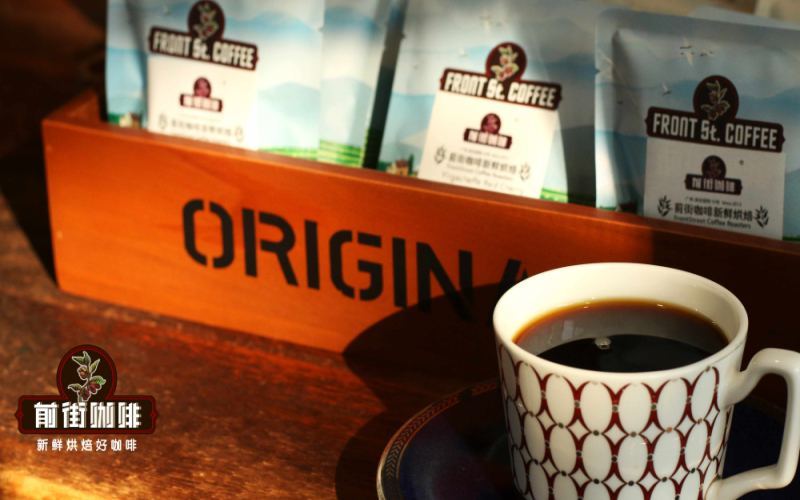
The Complete Guide and Flavor Analysis of Making Moka Pot SOE Americano with Sun-Dried Geisha
As one of the most representative coffees from the Sidamo region, Huakui has won over many coffee lovers with its rum-soaked chocolate-like flavors brought about by the natural process. This article will explain in detail how to use a moka pot to extract Front Street natural Huakui SOE coffee beans, teaching you step by step—from equipment preparation, grind size, water volume control, to heating techniques—how to make a full-flavored cup of Huakui SOE Americano at home. At the same time, we will also introduce you to the background of Huakui's origin—the connection between the Guji Hambela region and Sidamo—and why Front Street natural Huakui G1 is an ideal choice for beginners. Whether you prefer pour-over single-origin or SOE espresso, this bean can meet your needs. [more…]
Ethiopian Huakui Coffee Pour-Over Guide: Brewing Parameters and Flavor Evolution of Sidamo Hambela Natural Beans
Huakui is the exclusive title for sun-dried G1 coffee beans from the Hambela region of Ethiopia, released each year with a new version number, and its flavor is adjusted according to the changes of each harvest season. This article sorts out the complete thread of Huakui from its origin at the Buku Abel processing station, to DW Company's expansion of production, to the version numbering system, explains its flavor characteristics interwoven with floral notes and tropical fruits, and provides Front Street Coffee's medium-light roast pour-over plan for the new 2025 harvest season Huakui: V60 dripper, 15 grams of coffee, 1:15 coffee-to-water ratio, 90°C water temperature, medium-fine grind, three-stage pouring with a total duration of about 2 minutes 10 seconds. In addition, detailed steps for Huakui 8.0 iced pour-over are included, using a stirring technique combined with ice cooling to present a full juice-like mouthfeel. [more…]
Ethiopian Sidamo Natural Hunkute Coffee Flavor Analysis: From Hambela Region to Front Street Brewing Recommendations
Ethiopia is the birthplace of Arabica coffee, and its specialty coffees are renowned for their bright floral and fruity character. The sun-dried Huakui coffee from the Sidama region, with its rich fruity sweetness and honey finish, has become a favorite among many coffee enthusiasts. This article will introduce, one by one, the origin of the name Huakui, the traceability information of the Hambela estate, the geographical and varietal characteristics of the Sidama region, Ethiopia's coffee grading system, and Front Street Coffee's sun-drying process and brewing parameters. It will also cover the evolution of the batch suffixes of Huakui, the essence of the Heirloom native variety, and Front Street's commitment to fresh roasting and brewing details, helping readers fully understand the flavor sources and tasting points of this coffee. [more…]
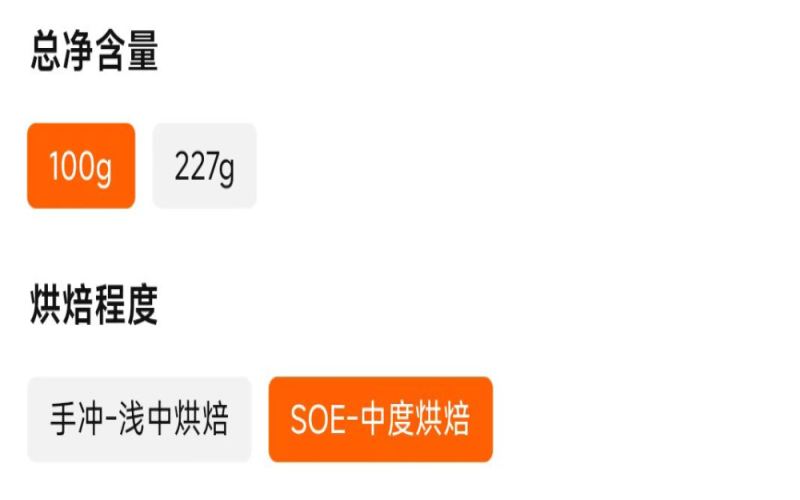
Sun-Dried G1 Huakui Introduction | How to Brew Fruity and Floral Coffee Beans for More Aroma? Sidamo Huakui Pour-Over, Espresso, Americano, and Latte Flavor Comparison
Front Street Coffee's Huakui coffee has a citrussy and guava-like acidity on the palate, full of berry juice flavor, with a hint of sugarcane sweetness in the aftertaste, and a lingering lemon black tea note in the finish. The flavor is long-lasting and highly layered. It is not only suitable for pour-over, drip bag, and cold brew methods, but can also be used for espresso SOE and moka pot extraction. Below, [more…]

Floral Queen Natural G1 Flavor Analysis: Mouthfeel Differences Between Espresso, Americano, and Latte, and Key Points for SOE Preparation
Front Street Coffee's Huakui coffee, with its distinct fruity aroma profile, has become a daily choice for many coffee lovers. This naturally processed bean from the Buku Abel washing station in Hambela, Ethiopia, once won the natural category championship at the TOH green bean competition with its rich berry aroma and creamy texture, and was subsequently introduced to the domestic market and named "Huakui." It adopts the traditional natural process, sun-dried on raised beds for 21 days with manual removal of defects, ultimately presenting a full, three-dimensional fruity aroma with sweet-and-tart texture. Front Street's natural Huakui is G1 grade, with an extremely low defect rate. This article will focus on adjusting the extraction parameters for Huakui SOE, analyzing its flavor performance when made into espresso, americano, and latte, and offering specific recommendations for home brewing. [more…]
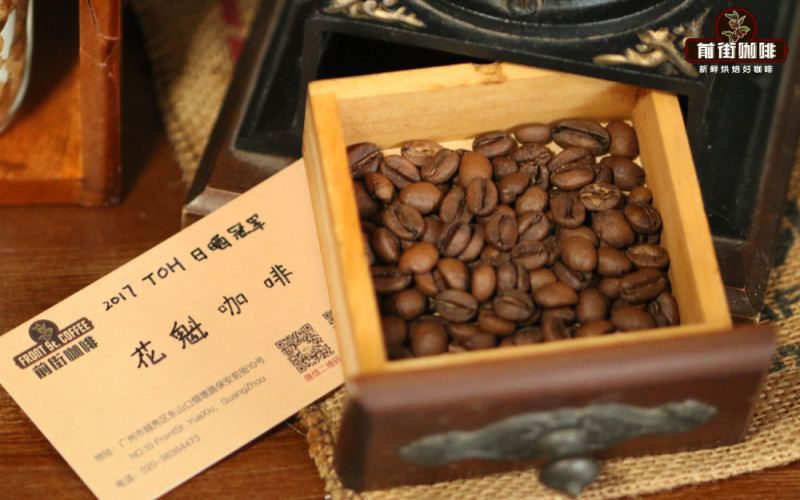
Where Does the Strawberry Aroma of Sidamo Huakui Coffee Come From? An Analysis of the Brewing and Flavor Evolution of Passion Fruit-Flavored Huakui
Since its introduction in 2017, Geisha coffee has quickly gained popularity with its bright strawberry and cream aroma, becoming a highly sought-after Ethiopian bean variety in coffee shops. From the original TOH champion batch to the current 8.0 version, many enthusiasts have noticed that the flavor of Geisha seems to change every year. This article will take you back to the origin of Geisha, Guji Hambela, to learn about the sun-drying process at the Buku Abel processing station, review the flavors and roasting curves of each version of Geisha that Front Street Coffee has sourced over the years, and analyze the causes of Geisha's aroma and the sources of its year-to-year differences. It will also share Front Street's V60 brewing parameters and techniques to help you better appreciate this classic coffee interwoven with passion fruit and berry notes. [more…]
Ethiopia Guji Hambela G1 Natural Huakui New Crop Season: A Detailed Guide to Light Roast Flavor and Brewing Parameters
Ethiopian G1 represents the highest grade of green beans, but different regions and processing methods also lead to different flavor profiles. The Front Street Flower Queen G1 from the new crop comes from the Buku Abel processing station in the Guji Hambela region, where the natural sun-dried method gives the coffee rich tropical fruit notes. To showcase the floral and fruity aromas and acidity, a light to light-medium roast is used, with two separate curves matched for pour-over and SOE. This article compiles the brewing method for Front Street Flower Queen, the espresso extraction steps, and the flavor descriptions for both pour-over and SOE, for coffee lovers' reference. [more…]
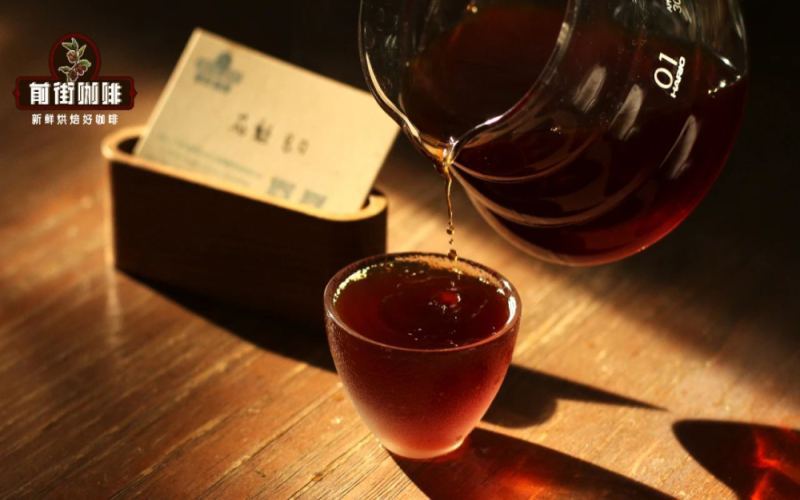
An Analysis of Sidamo Huakui Coffee Flavor Characteristics, and a Comparison Guide to Brewing with V60 vs. Cake Filter
In recent years, sour coffee has gradually gained popularity. Today, Front Street Coffee wants to talk with you about the famous Huakui from the Sidamo region of Ethiopia. It comes from Guji Hambela and is a naturally processed G1-grade specialty bean. With bright citrus and berry notes, a juicy sweet-and-sour taste, an affordable price, and a very high extraction fault tolerance, it quickly became the entry-level first choice for many coffee lovers. But what exactly do the numbers often following Huakui, such as 5.0, 7.0, and 8.0, represent? And what flavor differences arise when brewing the same bean in different drippers? This article will first introduce Huakui's origins and version evolution, then compare the stylistic differences between the V60 and the cake dripper through hands-on brewing. [more…]
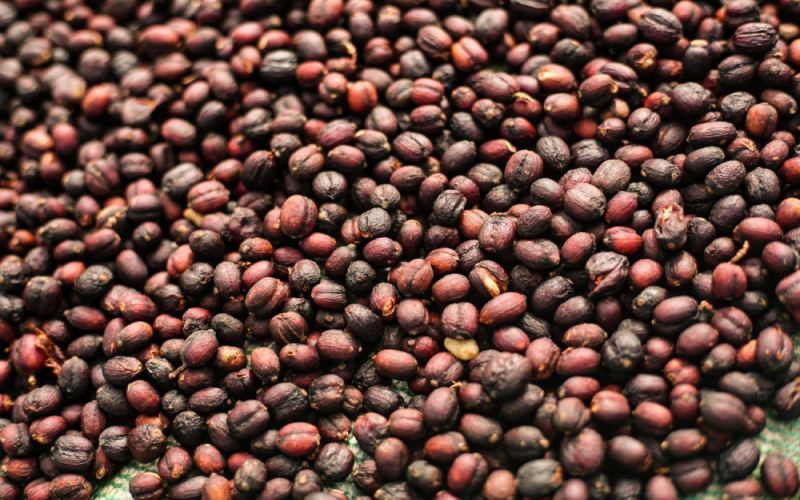
Flavor Analysis and Pour-Over Grind Plan for Ethiopia Hambela G1 Sun-Dried "Huakui" Small-Bean Coffee
Hambela is located in the Guji region of Ethiopia and is one of the highest-altitude coffee sub-regions, known for its refined natural processing and unique flavors. In 2017, a natural bean from DW Company's Buku Abel processing station won the TOH championship and was introduced to China under the name "Floral Queen," drawing widespread attention ever since. As the processing station expanded and the years passed, the Floral Queen series gave rise to the X.0 naming system, while Small-Bean Floral Queen became a special existence due to its independent processing. This article reviews the background of the Hambela region and the development of Floral Queen, and through a cupping and pour-over comparison between Front Street Coffee's Small-Bean Floral Queen and Floral Queen 5.0, presents the differences between the two in aroma, acidity, sweetness, and aftertaste, while also providing specific brewing parameters and grinding setting references. [more…]
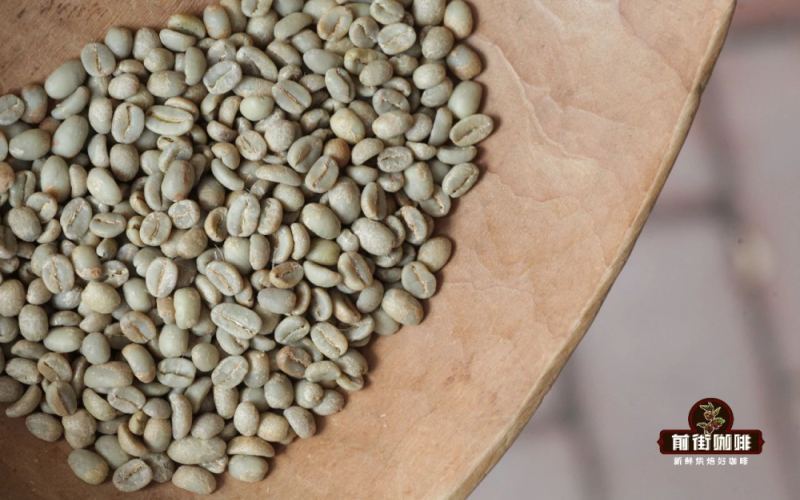
Ethiopian Heirloom Coffee Beans Explained: Differences from Landrace Varieties and Grading Standards
Ethiopia, as the birthplace of coffee, boasts an astonishing variety of cultivars, with nearly 2,000 varieties recorded to date, of which 1,927 are native varieties. Ethiopian coffee beans commonly found on the market are mostly labeled as Heirloom native varieties, but in recent years Landrace local varieties and numbered varieties have gradually gained popularity. In this article, Front Street Coffee will systematically sort out the definition, classification, and identification challenges of Heirloom native varieties, analyze the origins of Landrace and numbered varieties, and introduce in detail Ethiopia's coffee bean grading standards. Finally, it recommends a number of Front Street selected Ethiopian native varieties, covering well-known products such as Gedeb, Red Cherry, Woka, Aricha, and Huakui 5.0, with roasting and brewing data shared as well. [more…]
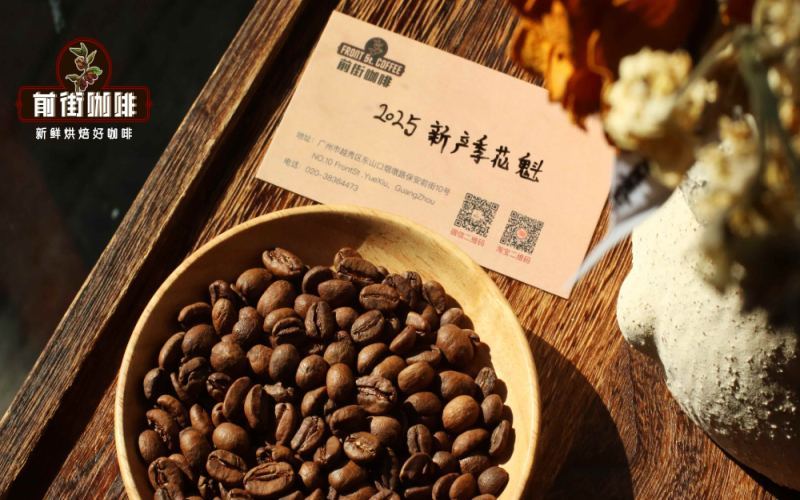
The Origin of Sidamo Honey Coffee and a Detailed Explanation of Ethiopian Coffee Bean Grading Standards
Sidamo is one of Ethiopia's two major specialty coffee regions, sharing equal fame with Yirgacheffe, and is known for its rich fruity body and citrusy sweet finish. How exactly did Sidamo Honey coffee come to be? And how are Ethiopian coffee beans graded? This article will start with the geographical environment of the Sidamo region, the rise of the Guji region, and the origin of the name of Huakui coffee, then introduce in detail the coffee grading system of the Ethiopia Commodity Exchange (ECX), and share the brewing parameters and flavor performance of Front Street's 2025 new-crop Huakui coffee, giving you a comprehensive understanding of the ins and outs of this sought-after specialty coffee. [more…]
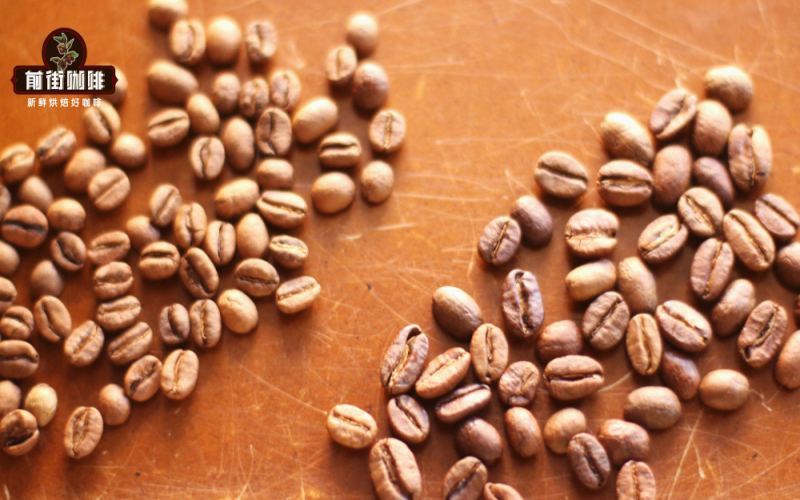
Are Huakui and Geisha actually the same kind of coffee? Does Huakui 8.0 count as a top-tier Geisha?
Are Huakui and Geisha actually the same thing? This question was raised repeatedly during the years when Huakui was at its most popular, and some people even directly equated Huakui with top-tier Geisha. In fact, the two are completely different from variety to origin. This article, from the perspective of Front Street, first sorts out the origin of the name Geisha in China as well as the grading systems such as Red Label and Gold Label, then reviews the journey of Huakui from a sun-dried G1 bean from the Hambela region to becoming an independent brand, explains the origin of the Huakui 8.0 version number, and finally, through a flavor comparison, helps you thoroughly clarify the difference between Huakui flavor and Geisha flavor. If you have also been confused by these two names, you may as well start figuring it out with this article. [more…]
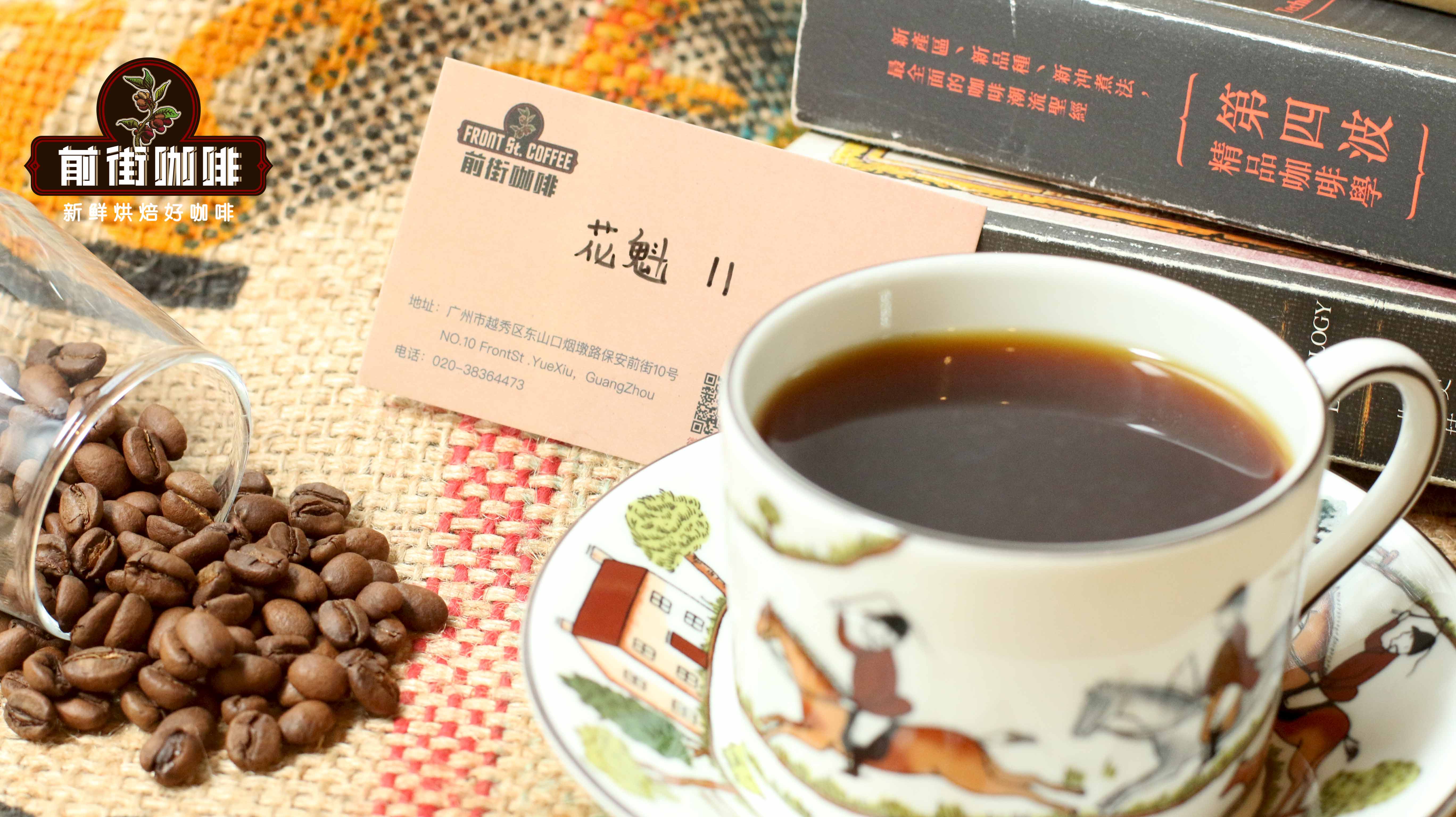
Pour-Over Coffee Bean Buying Guide: Flavor Analysis of Sidamo G1 and Guji Alice Washed
Looking for an Ethiopian bean suited to pour-over? This article focuses on two single-origin coffees—Sidamo G1 and Guji Alice washed—breaking down their floral and fruity aromas and layered expression, from terroir to processing method. As an important region in Ethiopia, Guji's high altitude and native varieties give the coffee an espresso-like flavor density, while Front Street Coffee's Huakui is the top choice for experiencing naturally processed Sidamo G1. The article includes specific brewing parameters and presents the flavor profile and cupping scores of Alice washed G1, offering pour-over enthusiasts a practical reference for buying and brewing. [more…]
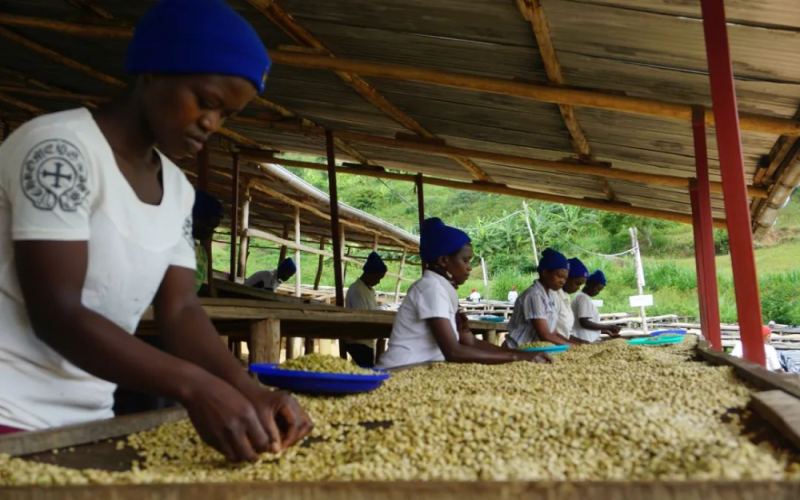
Ethiopia Sidamo Coffee Region Terroir Analysis: Guji Huakui and Arsi Flavor Characteristics and Front Street Brewing Parameters
Sidamo is one of the most representative specialty coffee regions in southern Ethiopia, known for its acidity that balances softness and intensity and its delicate floral notes. This article systematically reviews Sidamo's geographical environment and the terroir conditions of its two major sub-regions, Guji and Arsi, explains in detail the origins and naming logic of Huakui coffee, and introduces the complete process of the natural processing method and the G1 grade standard. It also shares Front Street Coffee's understanding of brewing freshness, as well as the specific brewing parameters and flavor performance of Huakui coffee and natural Arsi, providing coffee enthusiasts with a complete Sidamo flavor guide. [more…]
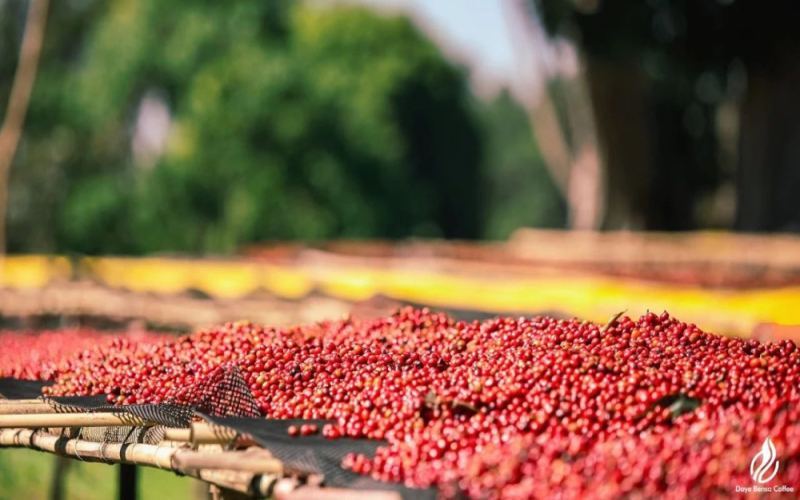
Ethiopia Guji G1 Natural Coffee Bean Flavor Analysis and Pour-Over Parameter Recommendations
Guji, as a rising star on Ethiopia's coffee map, has rapidly ascended to the ranks of core specialty coffee regions in recent years thanks to its outstanding flavor performance. From its early days under the Sidama region to being classified as a separate new category by the ECX in 2015, Guji's rise has followed a trajectory similar to that of Yirgacheffe. Hambela, as Guji's most representative sub-region, produces Huakui coffee beans that have become a favorite among domestic coffee enthusiasts thanks to their excellent sun-dried G1 quality. In this article, Front Street Coffee will systematically sort out the complete picture of this bean, from the region's historical evolution, terroir conditions, and the background of Hambela farms to the evolution of Huakui lots and specific brewing parameters, guiding you to a deeper understanding of Guji coffee's quality characteristics and brewing key points. [more…]